

Food Wrap

Food Wrap: History & Applications
Food Wrap: History & Applications
The need to preserve, protect, and present food has shaped packaging materials for centuries. From traditional waxed cloth to modern engineered paper, food wrap plays a vital role in both food safety and presentation. Over time, materials like butcher paper and freezer paper have become industry standards in food service, retail, and home kitchens.
These wraps offer specific properties — such as breathability, moisture resistance, and durability — tailored to different food storage and display needs.
The need to preserve, protect, and present food has shaped packaging materials for centuries. From traditional waxed cloth to modern engineered paper, food wrap plays a vital role in both food safety and presentation. Over time, materials like butcher paper and freezer paper have become industry standards in food service, retail, and home kitchens.
These wraps offer specific properties — such as breathability, moisture resistance, and durability — tailored to different food storage and display needs.
Butcher Paper
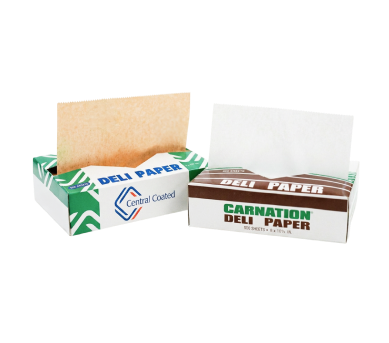
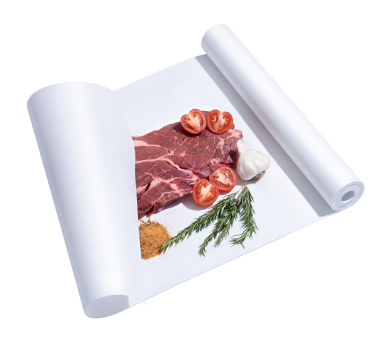
Originally developed for meat markets in the early 20th century, butcher paper is a durable, moisture-resistant kraft-based paper used to wrap fresh meat. Over time, it found new roles in barbecue, delis, seafood counters, and even crafts.
Used for: wrapping fresh meat and poultry, BBQ smoking, deli packaging, food tray lining, and rustic food presentation.
Freezer Paper
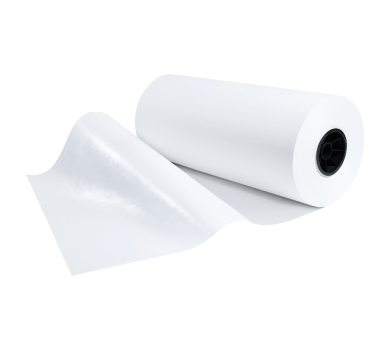
Freezer paper was created to improve long-term food storage by combining kraft paper with a polyethylene coating on one side. This innovation protects food from freezer burn and moisture loss while allowing easy labeling.
Used for: wrapping meat for freezing, storing fish or poultry, protecting baked goods, and labeling frozen items.